
Project Overview
At EpiVets, we know pets are family. That is why we are like to partner with innovators developing better options for dogs living with painful diseases.
In this project, EpiVets ran a dose determination study for a new product designed to treat pain associated with canine osteoarthritis.
The Challenge
Osteoarthritis can develop gradually, and the early signs are often subtle. To run this trial, we needed to:
- identify suitable dogs with confirmed osteoarthritis
- ensure each enrolled dog was otherwise clinically healthy
- collect high quality data from both veterinary assessments and owners
Study Design
The study was structured as a double-blinded, six-week clinical trial.
Recruitment and Diagnosis
Dogs entered screening either with a prior arthritis diagnosis or suspicion of osteoarthritis based on clinical signs. Diagnosis was confirmed by x-ray.
Enrolment Criteria
Before enrolment, each dog underwent health checks, including blood testing, to confirm general clinical health and suitability for trial participation.
Treatment and Monitoring
Participating dogs completed six weeks on trial medication, with:
- regular veterinary check-ins
- repeated gait assessments
- structured owner feedback throughout the study period
This combination of vet and owner assessments helped build a complete picture of response over time.
Bias Control
Because the trial was double-blinded, neither owners nor front-line clinical teams knew which treatment each dog received during the study period. This was critical to ensure there was less bias in the study results.
Trial Delivery in the Real World
EpiVets and the participating clinics around New Zealand had strong owner engagement and flexible logistics. The team carried out appointments from early morning to evening to support participation, including long-distance travel by committed owners.
This trial enrolled over 100 dogs across the country.
Early Observations from Owners
Owners reported:
- increased willingness to play
- improved day-to-day energy
- quicker return to normal activity patterns
While full conclusions depend on final analysis, this feedback supports the value of combining measurable gait data with lived owner experience.
Why We Do This
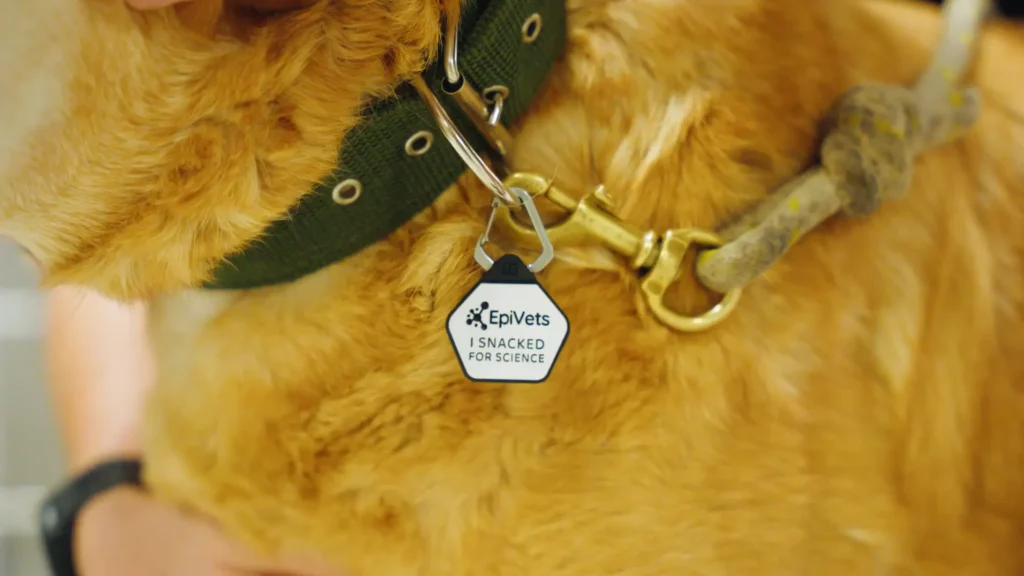
Every participating dog contributes meaningful data toward better pain management options for osteoarthritis. As the team says, they truly have “snacked for science”.